


Working with Black Girls in Care – Why Risk Is Often Understood Before Need
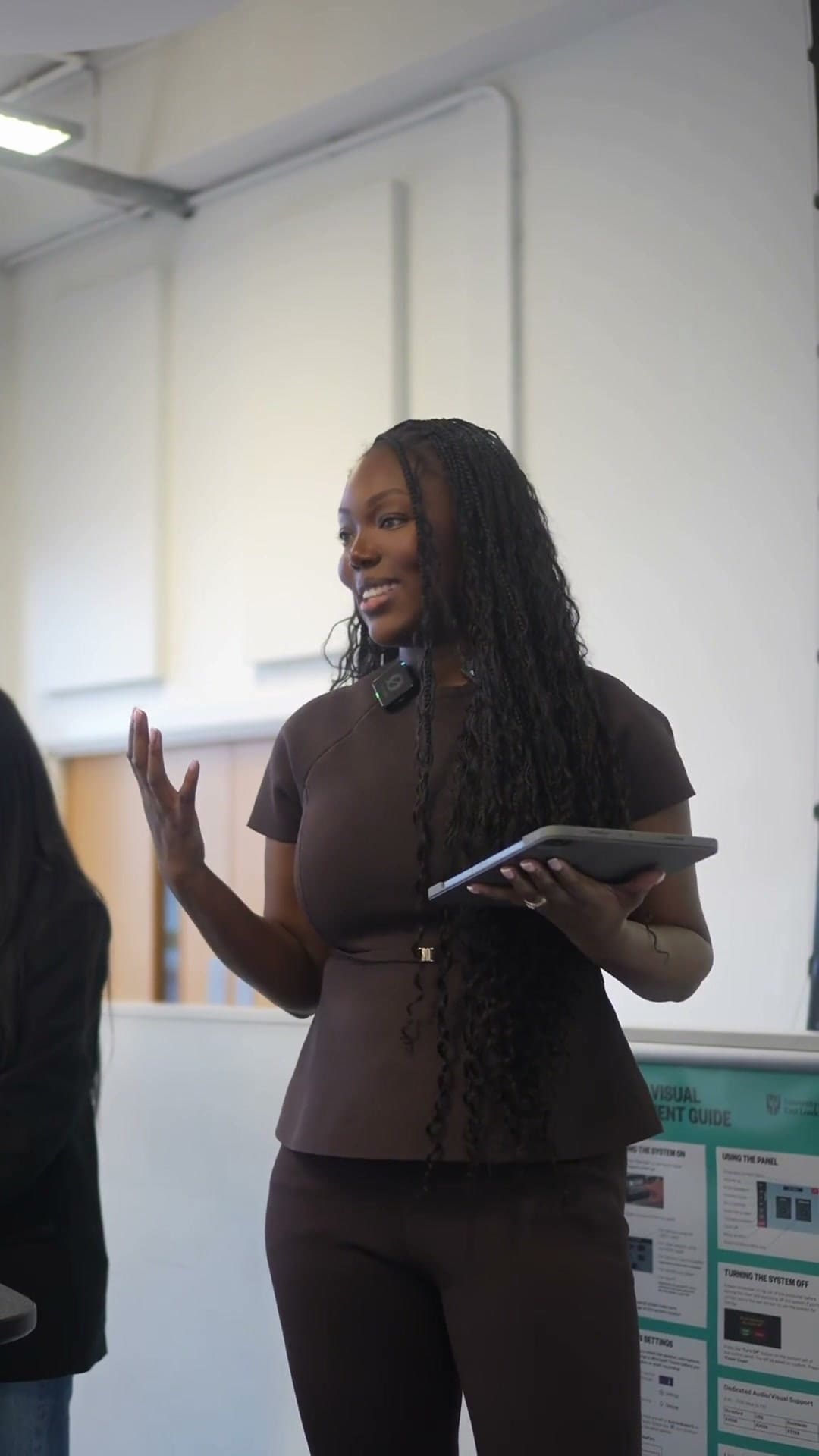
Working with Black girls in care every day, one thing has become increasingly clear: risk is often documented faster than need is understood. Last week I had the privilege of speaking at the Black Girlhood in Europe Symposium at the University of East London, hosted by Dr Silhouette Bushay, Senior Lecturer at UEL and Founder of Black European Girlhood Studies & Black Girl Streams C.I.C. I shared reflections from our frontline work at Anima Youth, particularly through our Zintarah Haven service—the UK’s first specialist supported accommodation home for Black looked-after girls and care leavers.
In safeguarding conversations, the girls we support are often described through the language of “high risk”. Yet too often these behaviours are understood primarily through risk frameworks rather than through the lens of their unmet sensory, emotional, and regulation needs. Increasingly, we are seeing girls whose experiences of trauma, violence, exploitation and instability intersect with masked or unidentified neurodivergence.
The tension many of us experience in frontline services is that we are asked to manage risk, but the systems we work within are not always designed to recognise or hold the underlying needs driving that risk.The conversation was an important reminder that practice voices must sit alongside academic research when shaping how we understand Black girlhood, care, and safeguarding systems. I’m grateful to have contributed to such an important dialogue and look forward to continuing the work of translating frontline insights into wider conversations about care, policy, and protection for Black girls.
Finally, I want to acknowledge the funders and partners who make this systemic work possible: Paul Hamlyn Foundation, Global Fund for Children, The Phoenix Way, The Henry Smith Charity, and London’s Violence Reduction Unit.Through your support, we are able not only to deliver frontline services but also to reflect on what we are learning and push for systemic change that improves outcomes for the girls and young women we serve.


Be the first to comment